Initiating Conservatorship Before Your Child Turns 18: A California Guide
Watching your child grow up is a journey filled with milestones. The first steps, the first day of school, getting a driver’s license—each one marks a step toward independence. But for parents of a child with a significant developmental disability, the 18th birthday brings a unique and often stressful legal reality. On that day, in the eyes of the law, your child becomes an adult. This means your legal authority as a parent to make critical decisions about their healthcare, finances, and education simply vanishes, regardless of their ability to make those decisions for themselves.
This isn’t just a formality. It means you could be barred from speaking to their doctor due to HIPAA privacy laws. It means you might not have the right to help them manage their finances or ensure they are living in a safe environment. The legal structure that has supported your child their entire life disappears overnight. This is where proactive planning becomes essential. For many families, the solution is a limited conservatorship. The key, however, is understanding that this isn't something you can do overnight. The process of initiating conservatorship in California needs to begin well *before* your child blows out the 18 candles on their cake.

Why the 18th Birthday is a Legal Cliff
In California, as in the rest of the country, 18 is the “age of majority.” It’s a legal line in the sand. An 18-year-old gains the right to vote, sign contracts, and make all of their own life decisions. The law presumes every 18-year-old has the legal “capacity” to do so. For a young adult with a severe developmental disability who may not be able to understand the consequences of these decisions, this legal presumption creates a dangerous gap. Without a conservatorship, you lose the legal standing to:
- Make Medical Decisions: You can no longer give consent for medical treatment, access medical records, or even discuss your child’s care with their physician without your child’s express legal consent.
- Manage Finances: You cannot open a bank account for them, manage their public benefits (like SSI), or protect them from financial exploitation. They could sign a contract for a new phone or a car, and it would be legally binding.
- Oversee Education: Your right to access school records or participate in their Individualized Education Program (IEP) meetings ends. Under the Family Educational Rights and Privacy Act (FERPA), those rights transfer entirely to the student at age 18.
- Decide on Living Arrangements: You lose the authority to determine where your child lives to ensure they are in a safe and supportive environment.
Waiting until after their birthday to address this can lead to a crisis. If a medical emergency occurs, you might find yourself in a hospital, unable to authorize necessary treatment, scrambling to get an emergency court order. This is a stressful, expensive, and entirely avoidable situation.
What is a Limited Conservatorship?
When people hear “conservatorship,” they sometimes think of high-profile celebrity cases. But in the context of special needs planning, we are almost always talking about a **Limited Conservatorship**. This is a specific legal tool in California designed for adults with developmental disabilities.
Unlike a general conservatorship, which takes away all of an individual's rights, a limited conservatorship is tailored to their specific needs. Its goal is to protect the individual while promoting as much independence and self-reliance as possible. The court grants the conservator (you, the parent) only the specific powers your child cannot manage on their own. You must prove to the court which specific areas of life your child needs help with.
A judge can grant a limited conservator the power to:
- Fix the conservatee's residence or specific dwelling.
- Access confidential records and papers.
- Consent or withhold consent to medical treatment.
- Manage financial affairs and enter into contracts on their behalf.
- Make decisions about their education.
- Control their social and sexual contacts and relationships.
- Make decisions regarding marriage.
You and your attorney will work together to determine which of these seven powers are necessary to protect your child, ensuring the conservatorship is no more restrictive than it absolutely needs to be.
The Ideal Timeline for the Conservatorship Process California
So, when should you start? The simple answer is: much earlier than you think. At Strategic Law, we advise clients to begin the process when their child is 17 and a half. This gives you a solid six-month window before their 18th birthday.
Why so early? Because the California court system has a mandatory, multi-step process that takes time:
- Information Gathering: You'll need to collect extensive documentation, including medical records, psychological evaluations, and school records. This can take weeks or even months.
- Preparing and Filing the Petition: The legal paperwork is complex and requires absolute precision. Any errors can cause significant delays.
- Notice Period: The law requires you to give formal notice to your child and a specific list of relatives, who must be given time to respond.
- Court Investigation: The court will appoint an investigator to interview you, your child, and sometimes other family members or caregivers. They write a detailed report with a recommendation for the judge. This is a crucial step that cannot be rushed.
- Court-Appointed Counsel: The court also appoints an attorney to represent your child's interests. This attorney will meet with your child and advocate on their behalf at the hearing.
- Scheduling the Hearing: Courts are busy. It can take several months just to get a hearing date on the judge's calendar.
By starting at 17 and a half, you allow ample time for all these steps to unfold. The goal is to have the judge sign the order establishing the conservatorship right around their birthday, so it becomes effective on the day they turn 18. This creates a seamless transition of legal authority with no dangerous gaps.
A Step-by-Step Guide to Initiating Conservatorship California
Navigating the court system can be intimidating, but understanding the steps can demystify the process. Here’s a breakdown of what to expect when initiating a before 18 conservatorship.
Step 1: Consultation and Information Gathering
Your first step should be consulting with an attorney experienced in special needs planning. They will help you determine if a limited conservatorship is the right tool and guide you in gathering the necessary documents. The most important piece of evidence is typically a comprehensive report from a California Regional Center psychologist or another qualified expert, which details your child’s diagnosis and functional limitations. You'll also need their birth certificate, a list of relatives, and details about their assets and income.
Step 2: Preparing and Filing the Petition
Your attorney will draft the necessary court forms, including the Petition for Appointment of Probate Conservator (Form GC-310) and several other supporting documents. The petition is a formal request to the court that explains who your child is, why they need a conservator, who you are, and which of the seven limited conservatorship powers you are requesting. This document is filed with the Superior Court in the county where your child lives.
Step 3: The Court Investigator and Appointed Counsel
Once the petition is filed, the court's work begins. The court investigator will contact you to schedule an interview. They are a neutral party whose job is to provide the judge with an unbiased assessment. They will want to understand your relationship with your child and why you believe the conservatorship is necessary. They will also meet with your child separately, in a comfortable setting, to explain the process and assess their understanding and wishes. Simultaneously, your child’s court-appointed lawyer will do the same, ensuring their client's rights are protected throughout the proceedings.
Step 4: The Hearing
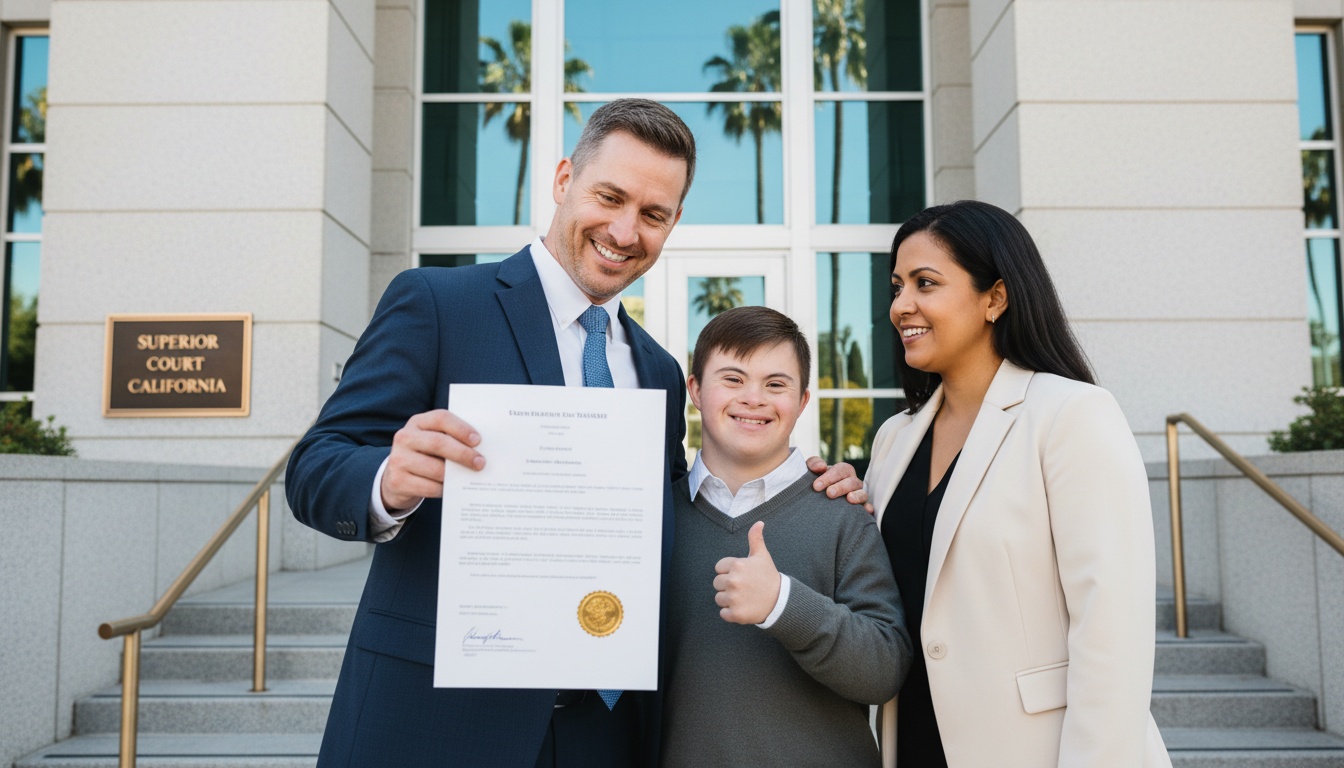
The hearing is the final step. You, your child, and both attorneys will appear before the judge. In most non-contested cases, the hearing is straightforward. The judge will have reviewed the petition and the investigator’s report. They will likely ask you a few questions and will speak directly to your child. The judge's primary goal is to confirm that the conservatorship is in your child's best interest. Assuming everything is in order, the judge will grant the petition and sign the court order. You will then be issued Letters of Conservatorship, the official document that serves as proof of your legal authority.
Beyond Conservatorship: Comprehensive Special Needs Planning
While a limited conservatorship is a critical tool, it’s just one piece of a larger puzzle. True peace of mind comes from comprehensive special needs planning, which should also include:
- A Special Needs Trust (SNT): This is arguably as important as the conservatorship. An SNT is a legal trust designed to hold assets for a person with a disability without disqualifying them from vital means-tested government benefits like Supplemental Security Income (SSI) and Medi-Cal. You should never leave assets directly to your child in your will; instead, they should be directed to their SNT.
- Successor Planning: What happens when you are no longer able to serve as conservator? Your estate plan should clearly nominate a successor conservator and a successor trustee for the SNT. This ensures a smooth transition of care and management for your child, no matter what happens to you.
- ABLE Accounts: For families that qualify, an ABLE account is a tax-advantaged savings account that can be used for qualified disability expenses without impacting eligibility for benefits.
Integrating these tools creates a complete safety net that protects your child’s personal well-being and financial security for their entire life.
Your Partner in Protecting Your Child's Future
The transition to adulthood for a child with special needs is a significant legal event that requires careful and early planning. It can feel like a mountain of paperwork and procedure, but you absolutely do not have to climb it alone.
Here are the key takeaways:
- Act Early: Begin the conservatorship process at least six months before your child's 18th birthday to avoid any gap in legal authority.
- Choose the Right Tool: A limited conservatorship is specifically designed to protect an adult with a developmental disability while preserving their independence.
- Understand the Process: The court process is methodical and involves investigators and attorneys to ensure your child's best interests are the top priority.
- Plan Comprehensively: A conservatorship works best when integrated with other tools like a Special Needs Trust to provide lifelong financial security.
At Strategic Law, we have guided countless families in Modesto, Turlock, and throughout California through this exact process. We understand the unique challenges you face, and our mission is to provide clear, personalized guidance that removes the stress and uncertainty from special needs planning. We take the time to know you and your child, so we can build a plan that secures their future and gives you peace of mind. Contact us today to ensure a safe and seamless legal transition for your child into adulthood.

About Alan Eighmey, Esq.
Strategic Legal Advisor
Alan Eighmey has over 15 years of experience helping California families with estate planning, probate, and trusts. A US Air Force veteran and community leader, he brings warmth, empathy, and real-world insight—inspired by his own family’s journey through Alzheimer’s.